Planting Trees For The People By The People
Who are we?
Did you know that 33% of India’s land should be forested, but the reality, especially in Marathwada, paints a different picture? At Vrukshmitra Foundation, we’re changing that narrative, one urban forest at a time.
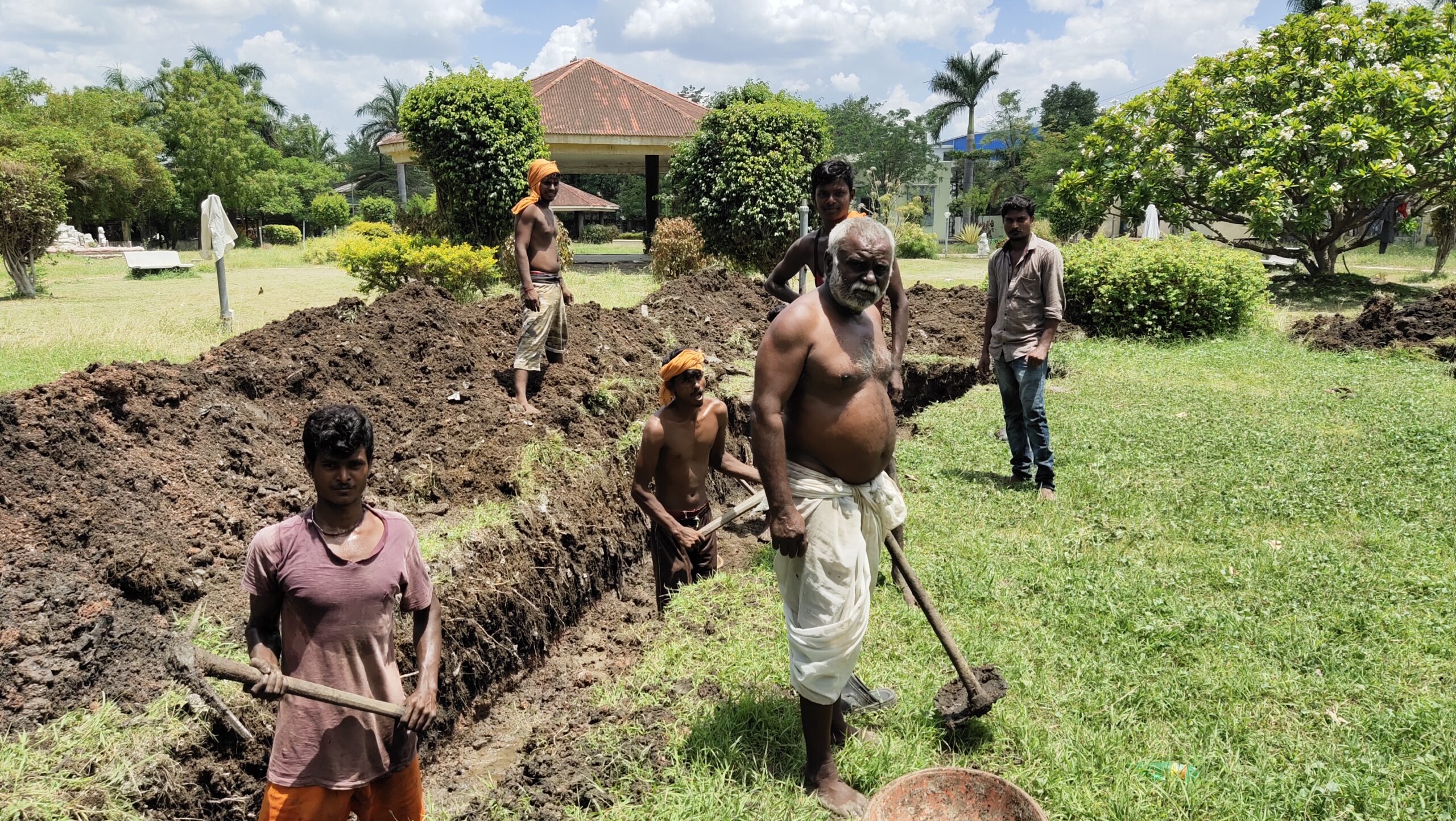
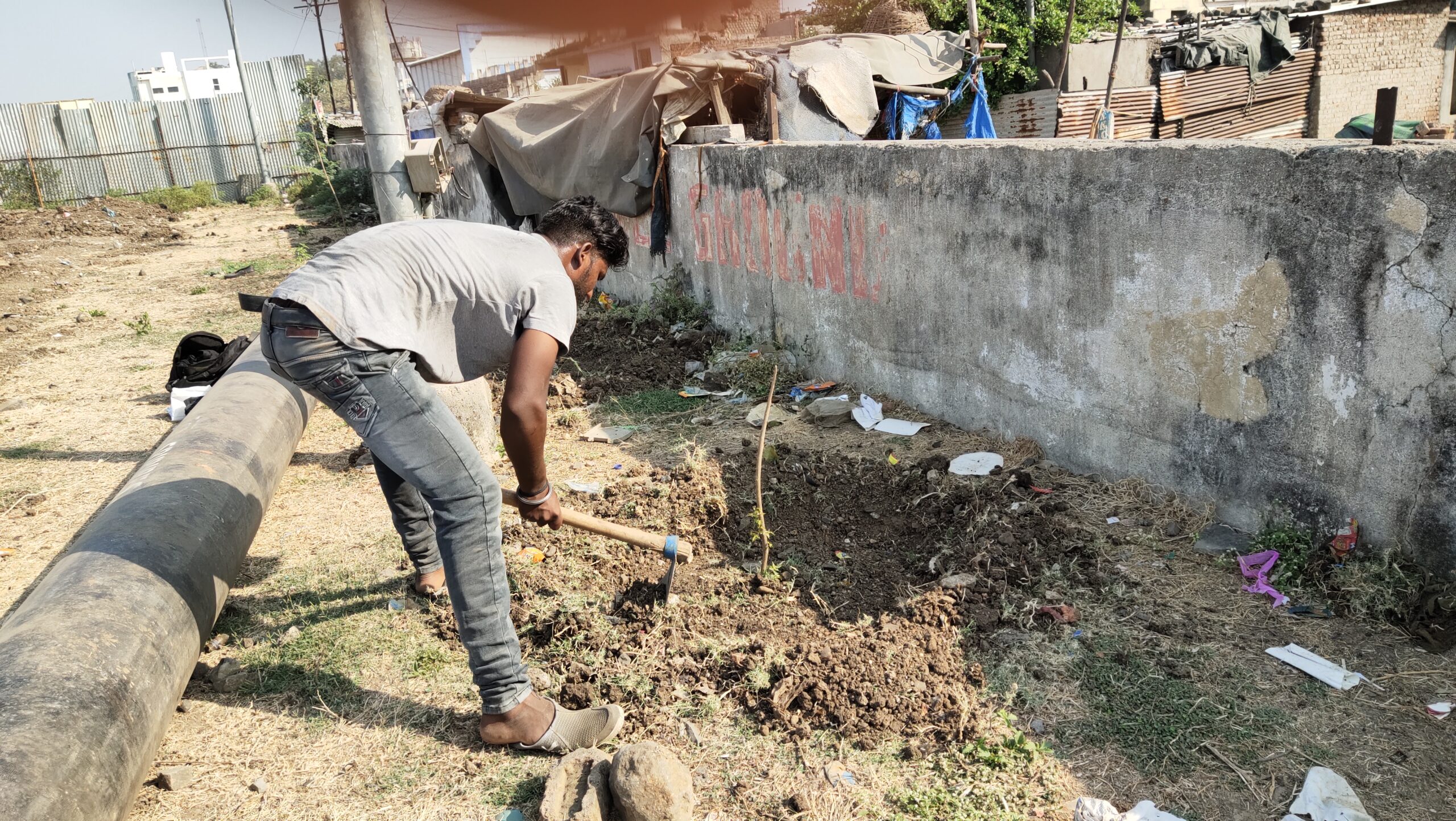
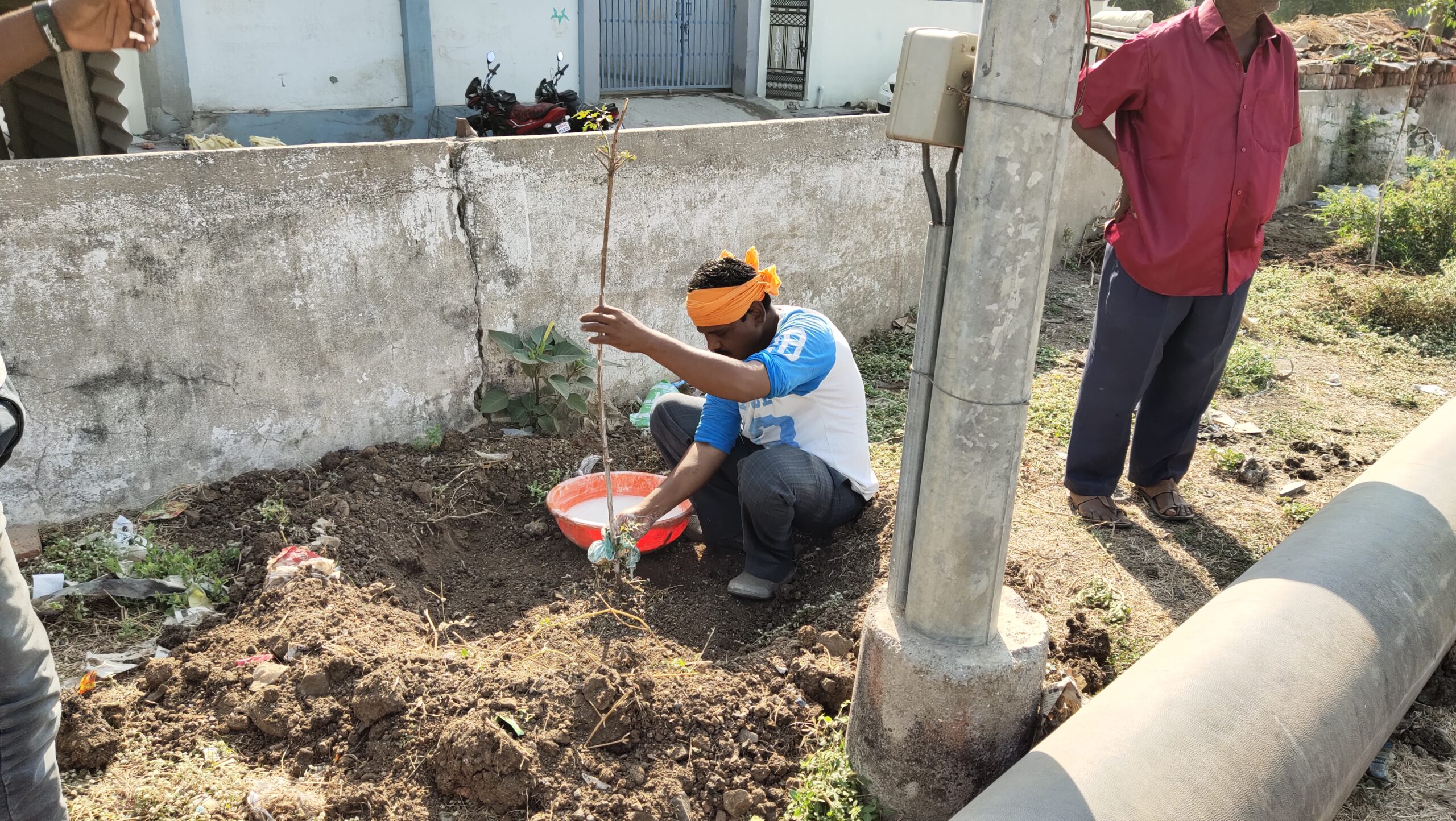
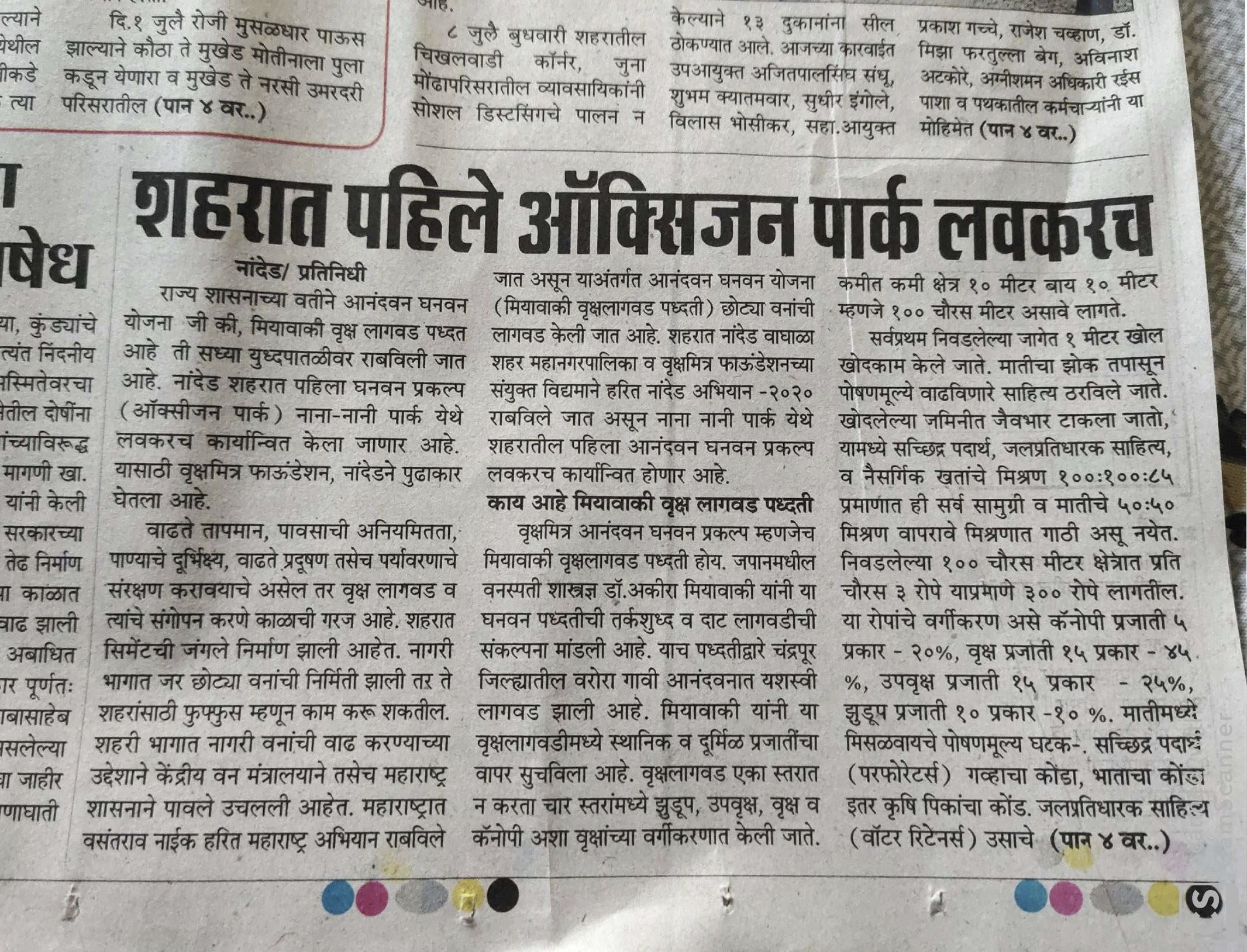
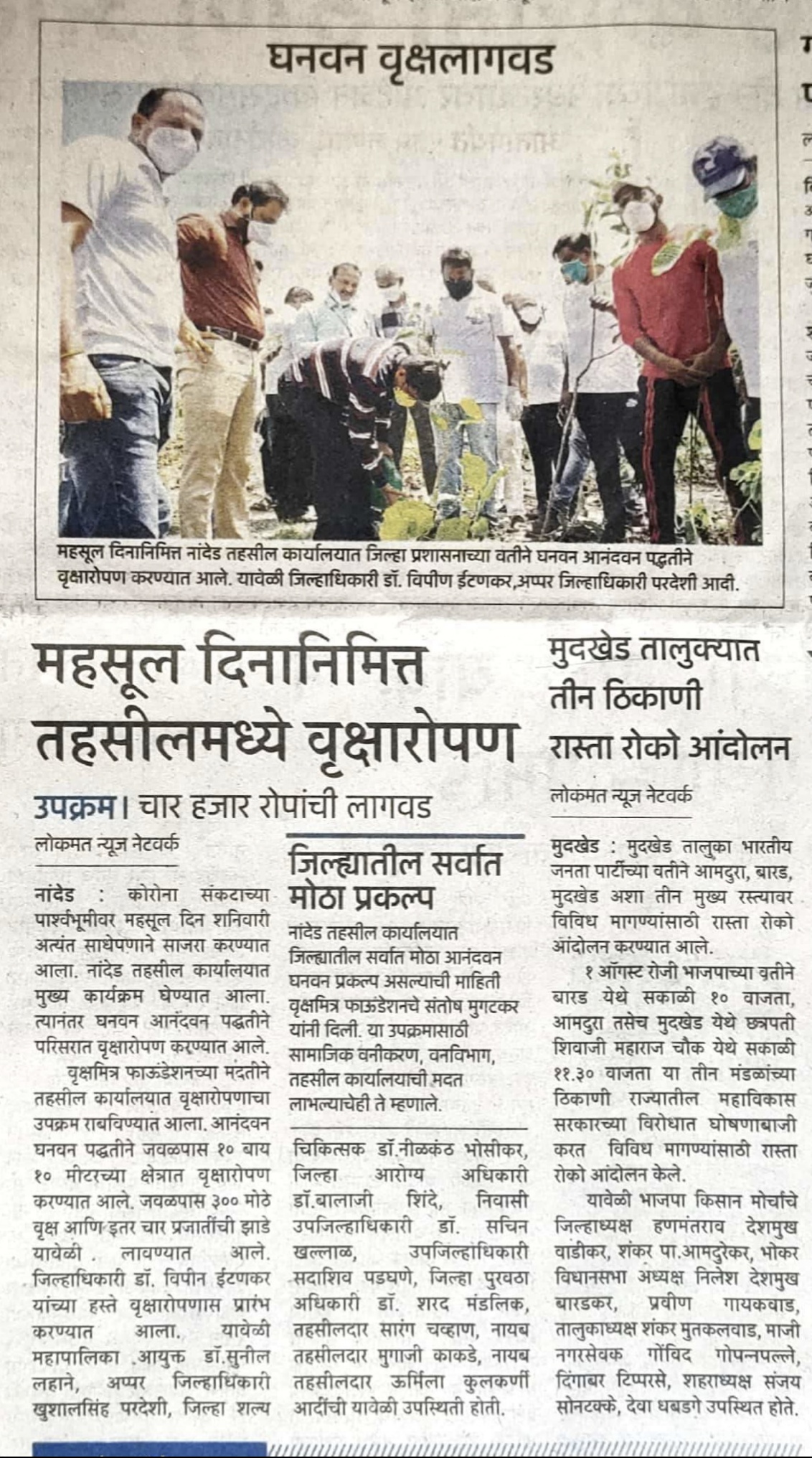
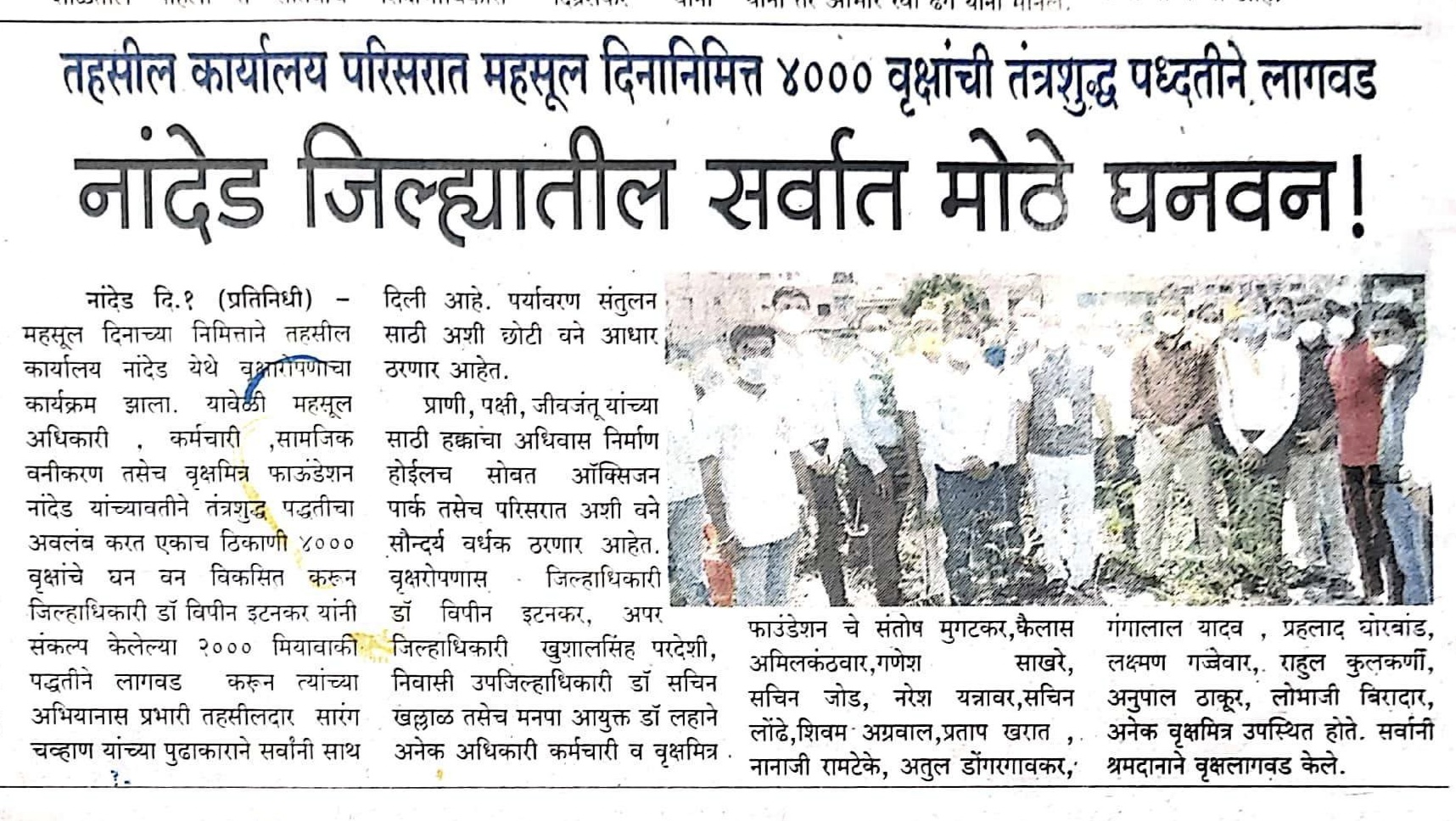
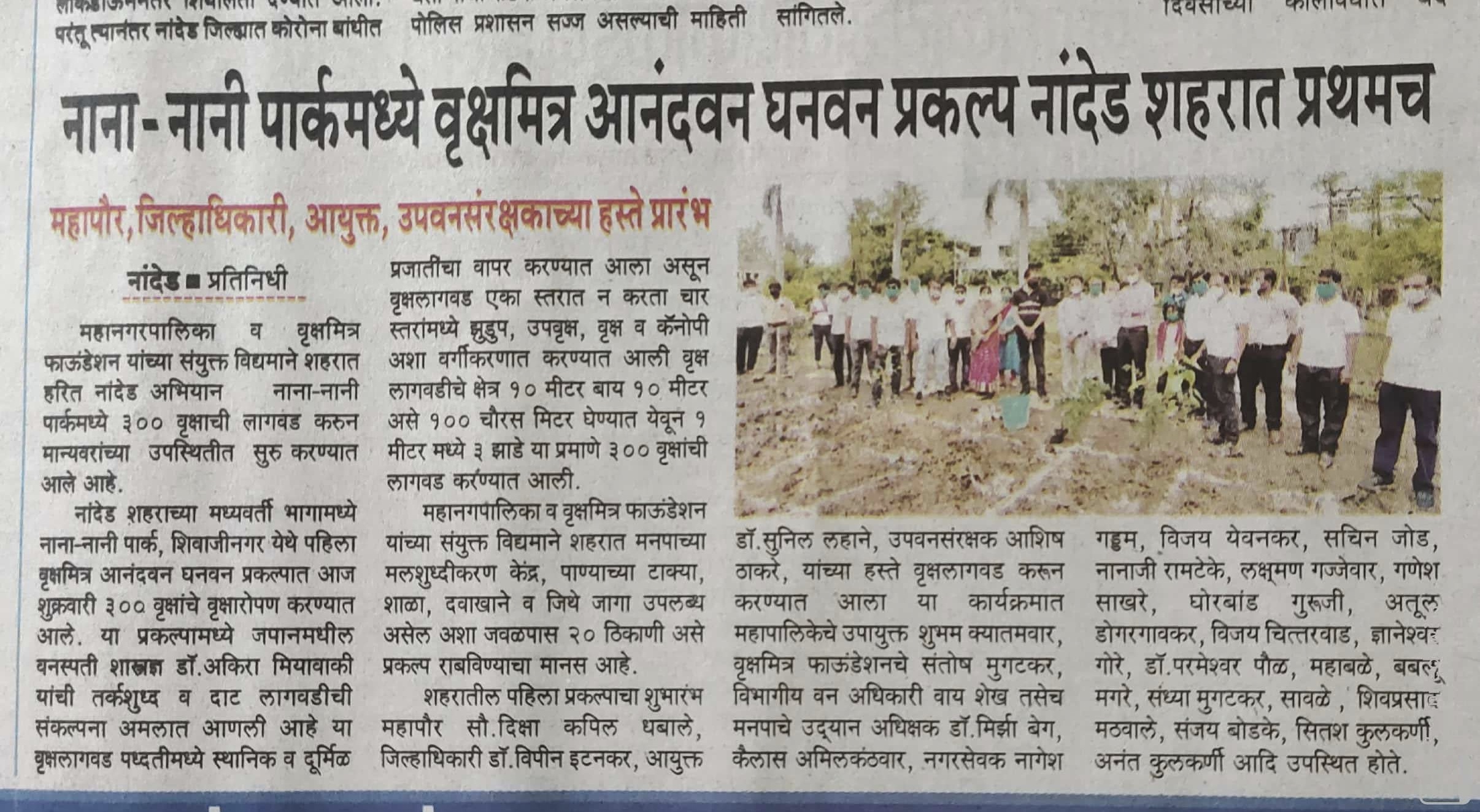
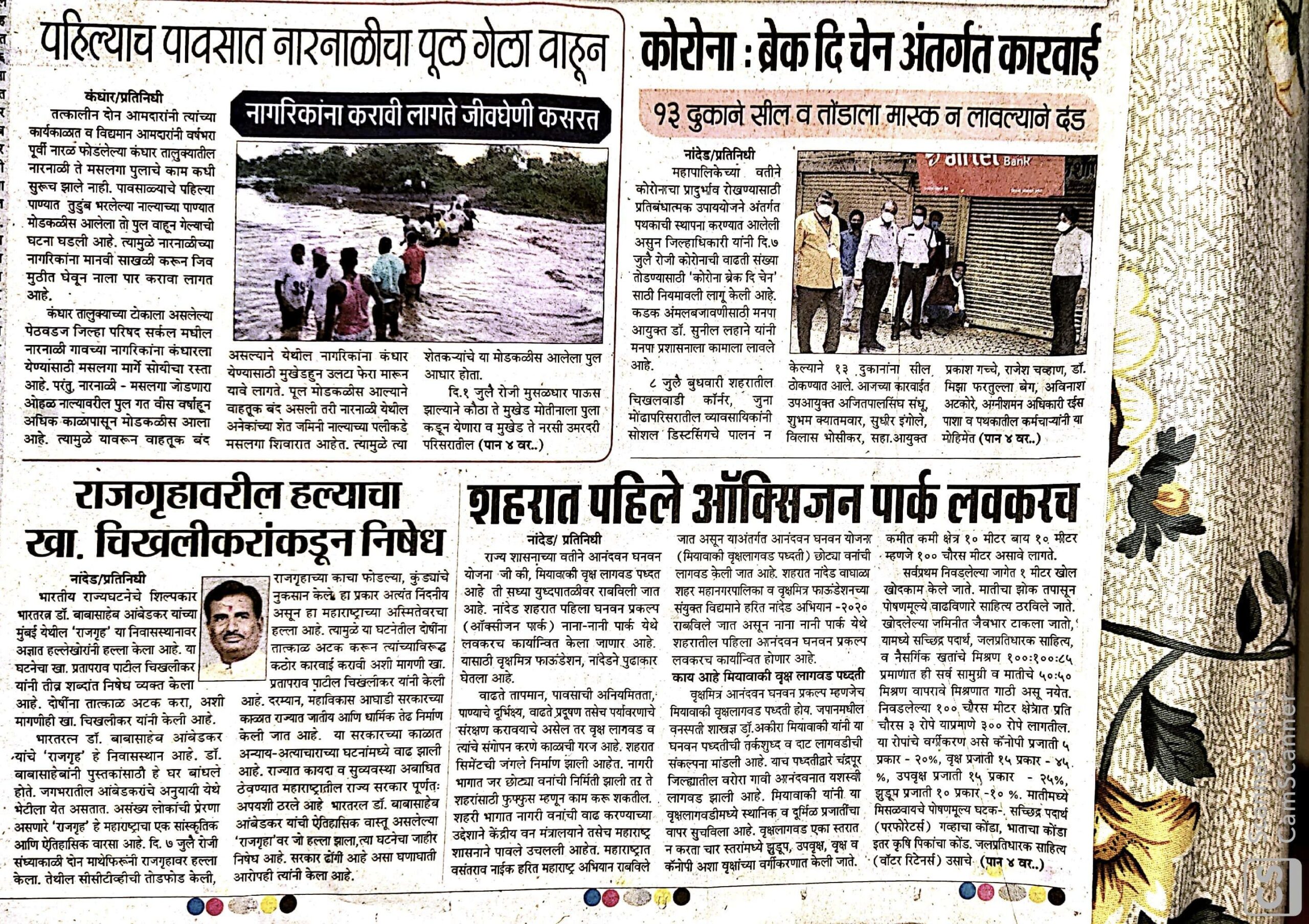
We leverage the power of the Miyawaki technique, a revolutionary method for building dense, native forests in even the most limited spaces. These urban oases become more than just pockets of green; they’re vital ecosystems combating global warming, water scarcity, and air pollution.
We go beyond planting trees. We cultivate biodiversity, fostering thriving habitats for countless species and enriching the lives of local communities. With every rustling leaf, we witness the collective impact of our efforts, weaving a greener tapestry for Maharashtra and beyond.
Ready to be a Vrukshmitra (Friend of Trees)? Partner with us and let’s transform landscapes, empower communities, and create a more sustainable future for all. Together, we can make a real difference.
What Is Miyawaki Technique?
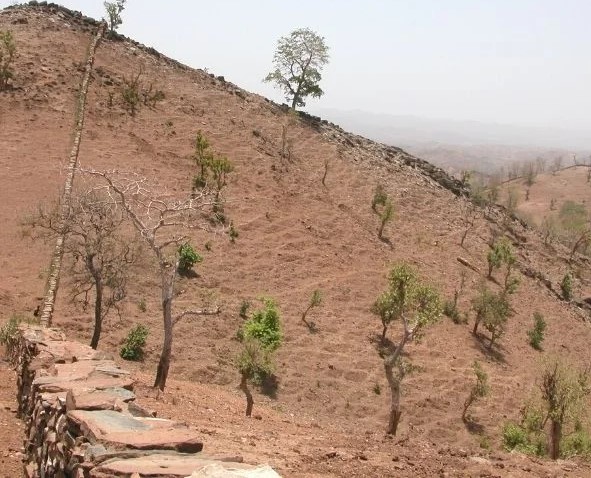
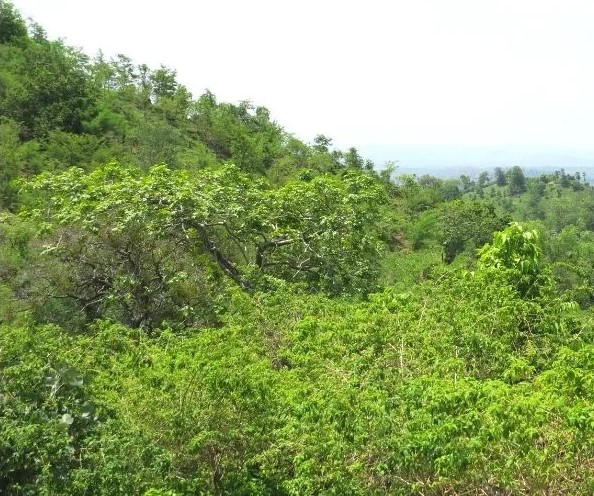
Before
After
The Miyawaki Method is named after its creator, Akira Miyawaki, a Japanese botanist and plant ecologist who has a particular interest in phytosociology, i.e. how plant species interact with each other within communities. Following the completion of a PhD in plant ecology, Miyawaki went to study with phytosociologist Reinhold Tüxen in Germany, where he learned about the concept of potential natural vegetation. When he returned to Japan and applied the PNV principles to the Japanese landscape, he became interested in the relics of ancient forests found around temples and shrines, known as Chinju-no-mori, sacred groves. These fragments of forest were composed of trees such as Japanese blue oak (Quercus glauca), Japanese chestnut (Castanea crenata) and Sakaki (Cleyera japonica), rather than the coniferous trees such as larch (Larix kaempferi) and Japanese cedar (Cryptomeria japonica), which had been introduced from other areas and dominated local forests. There was also a distinct layering in the forest structure, with slow-growing canopy species, tree layer species, smaller sub-tree layer species, shrubs and ground covering herbs.
When Miyawaki combined these concepts, he developed a new way of planting forests. This was based on the native vegetation that he postulated should be growing in that area, as deduced from PNV studies, and his understanding of how these species would interact and grow to produce a dynamic forest ecosystem. His early field trials showed great promise that this method could dramatically accelerate forest growth and result in a stable and diverse forest ecosystem. Since then Miyawaki forests have been successfully planted on more than 3000 sites globally.
Our Work
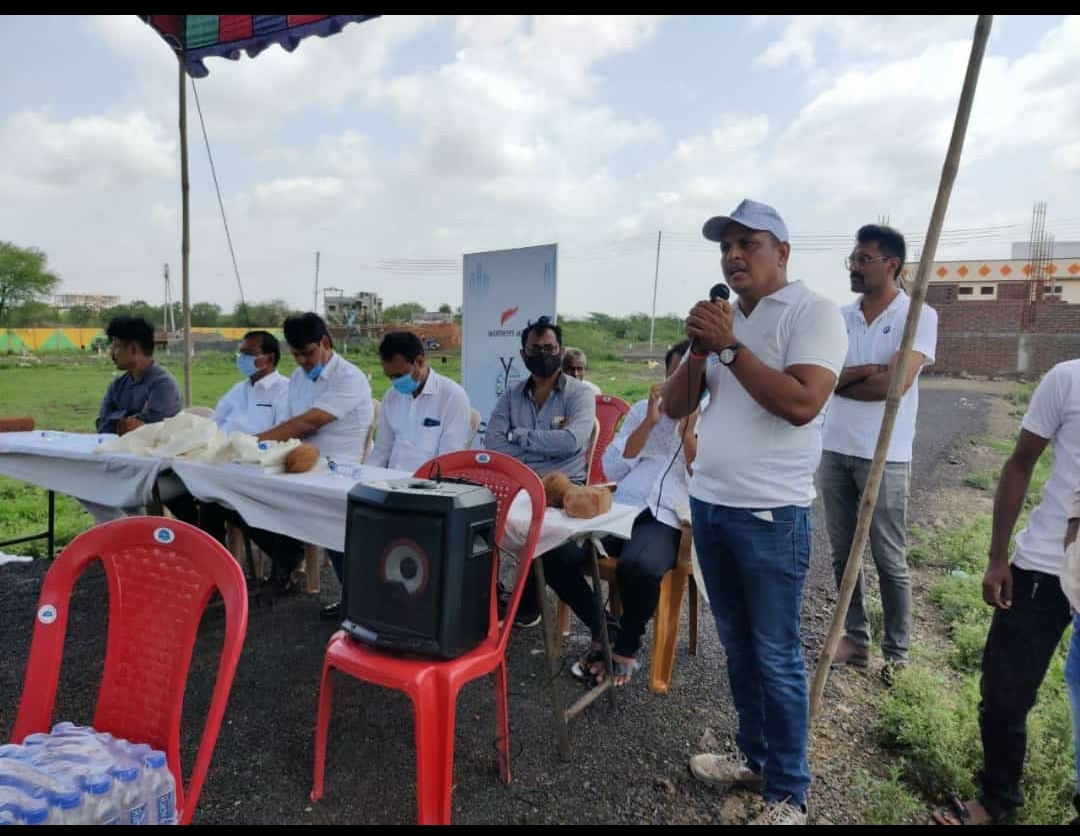
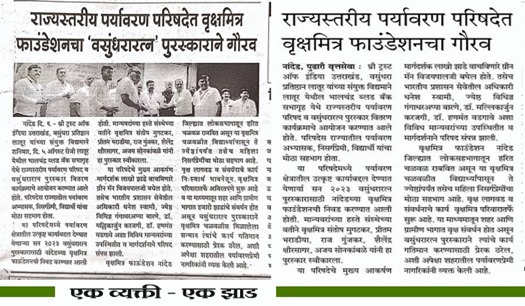
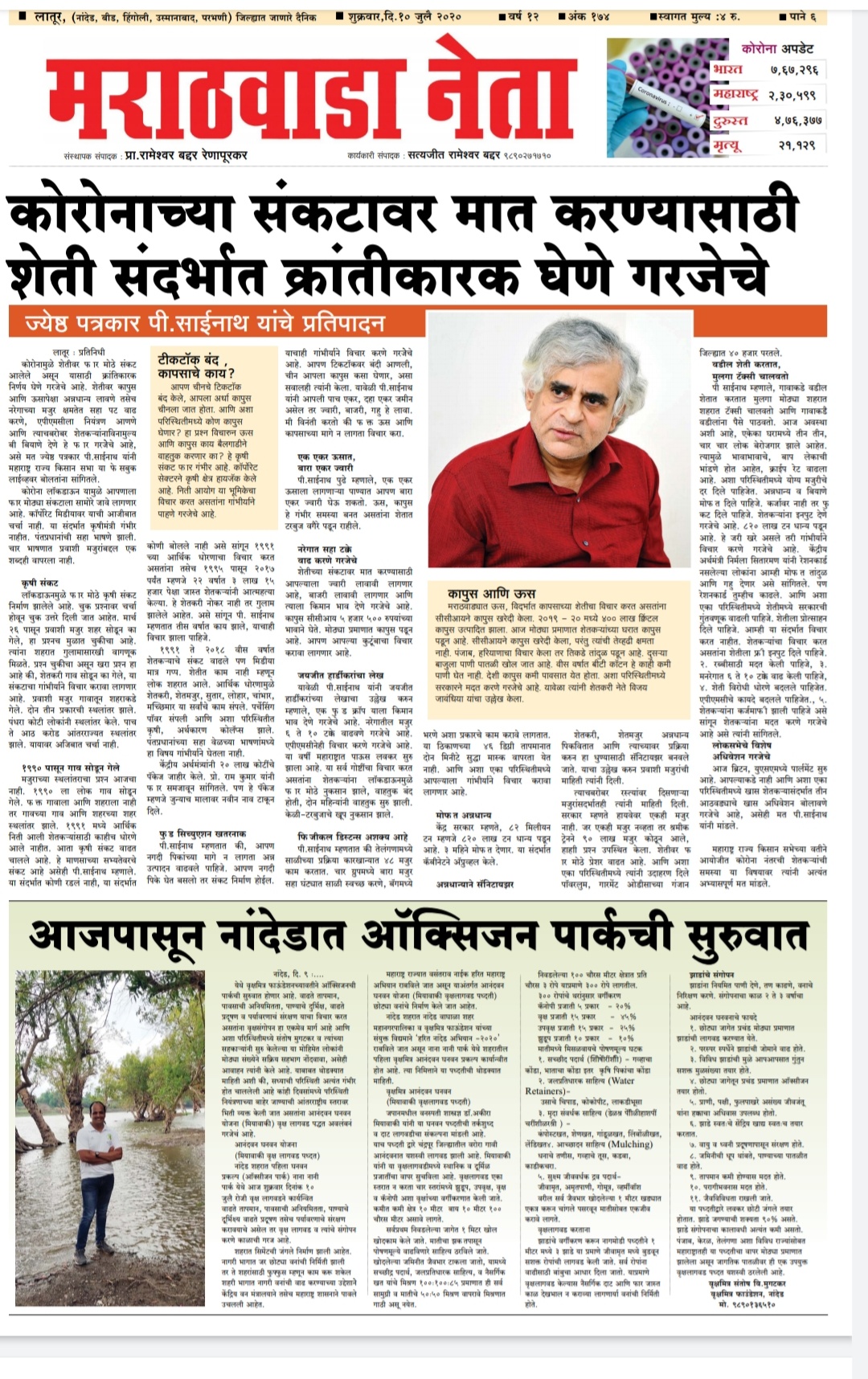
The Vrukshamitra Foundation is a leading social organization in Nanded, India, that has been working tirelessly for the conservation and preservation of the environment for many years.
Key activities of the organization:
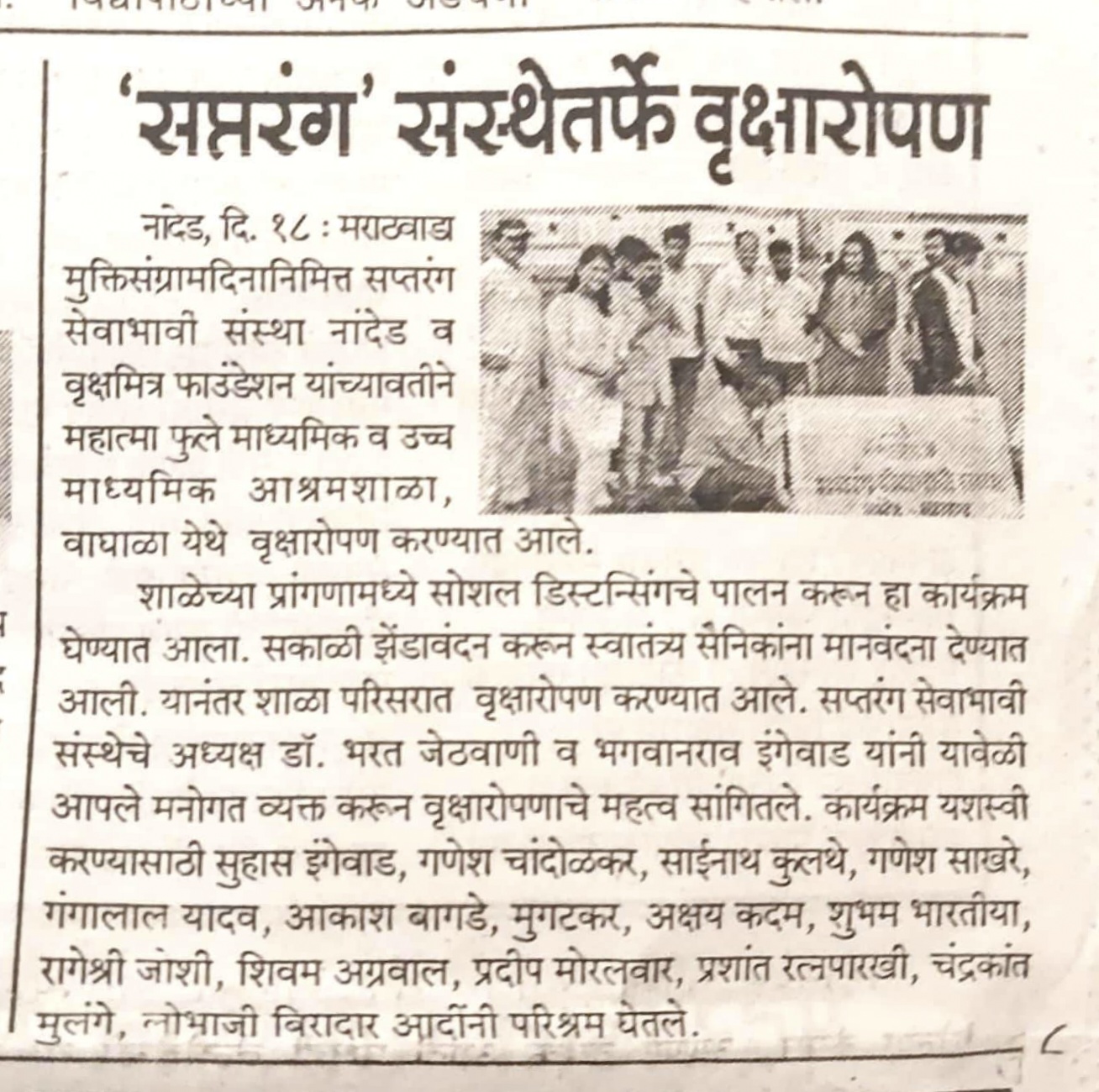
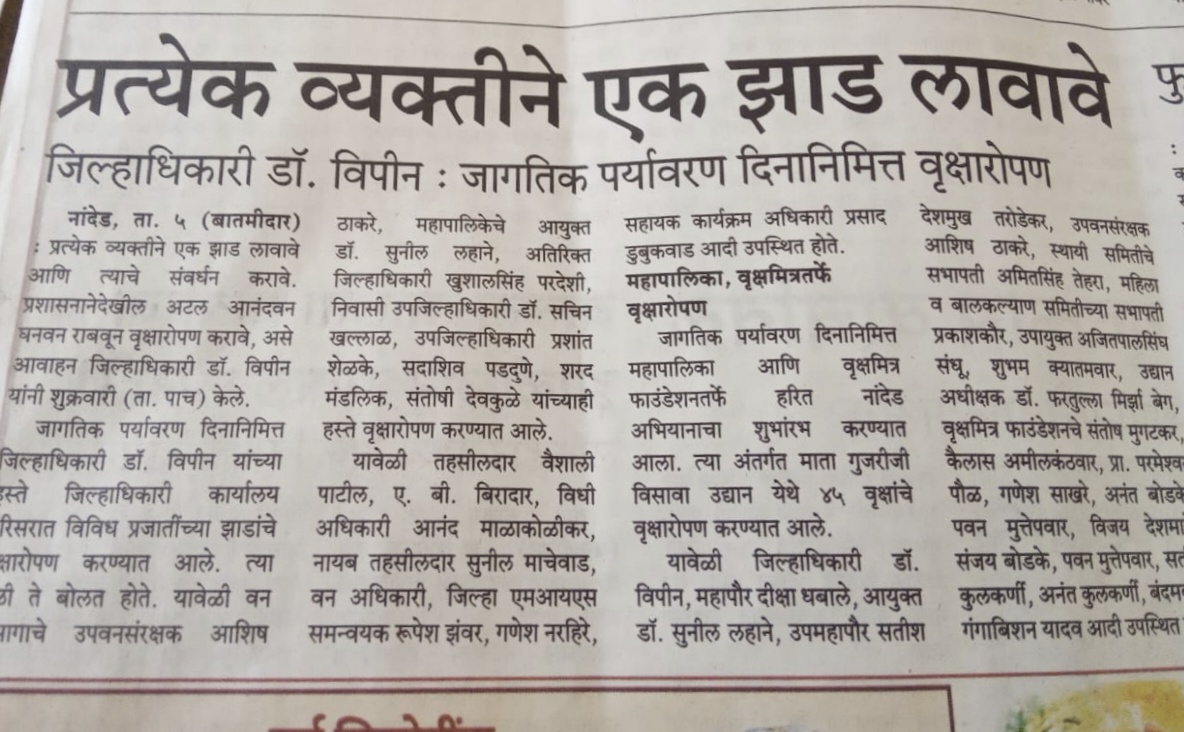
Tree planting and maintenance:
Various programs are organized to instill love for trees among students in schools and colleges.
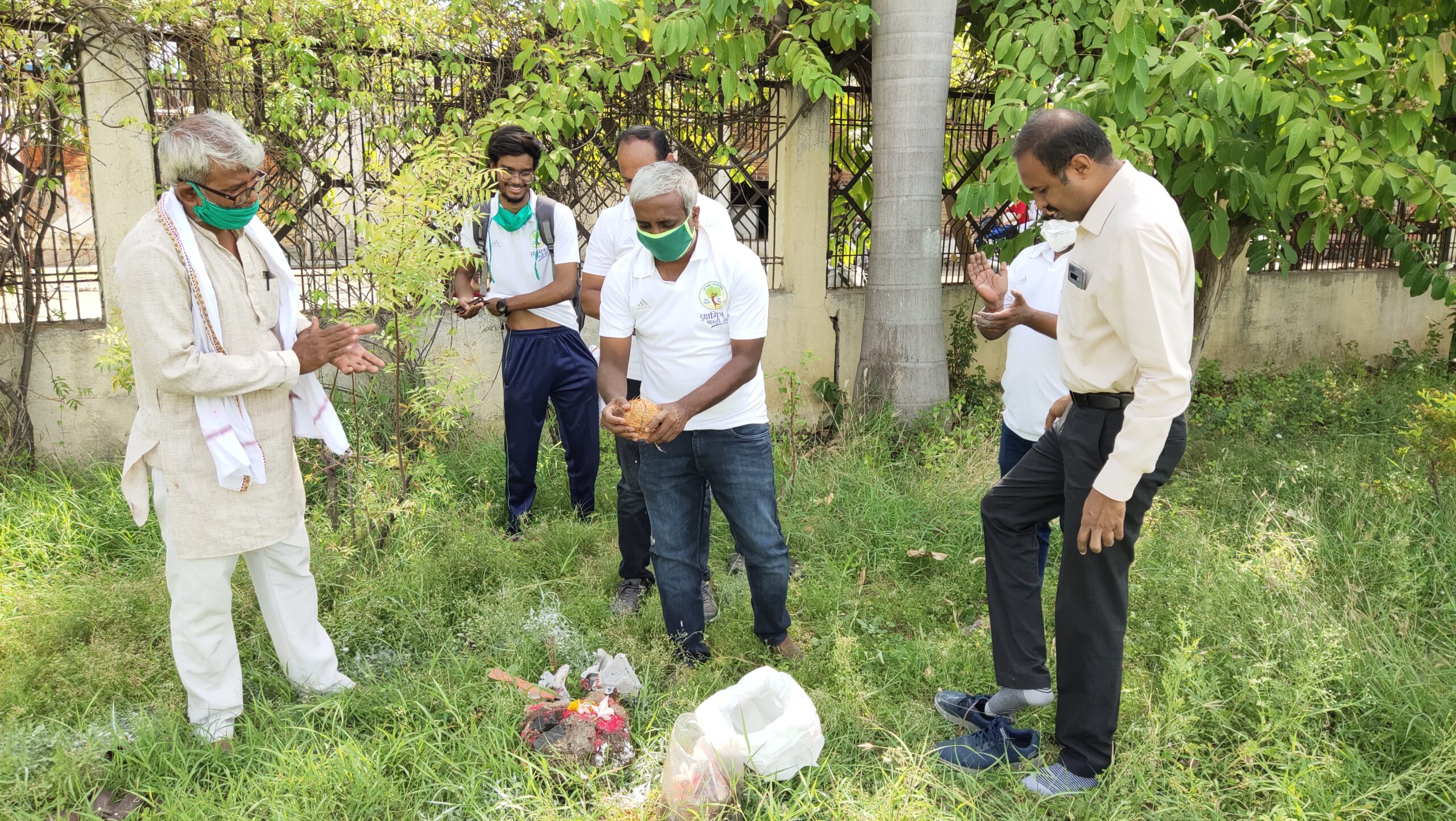
Under the “One Person – One Tree” campaign, a tree is gifted to a person who promises to take care of it.
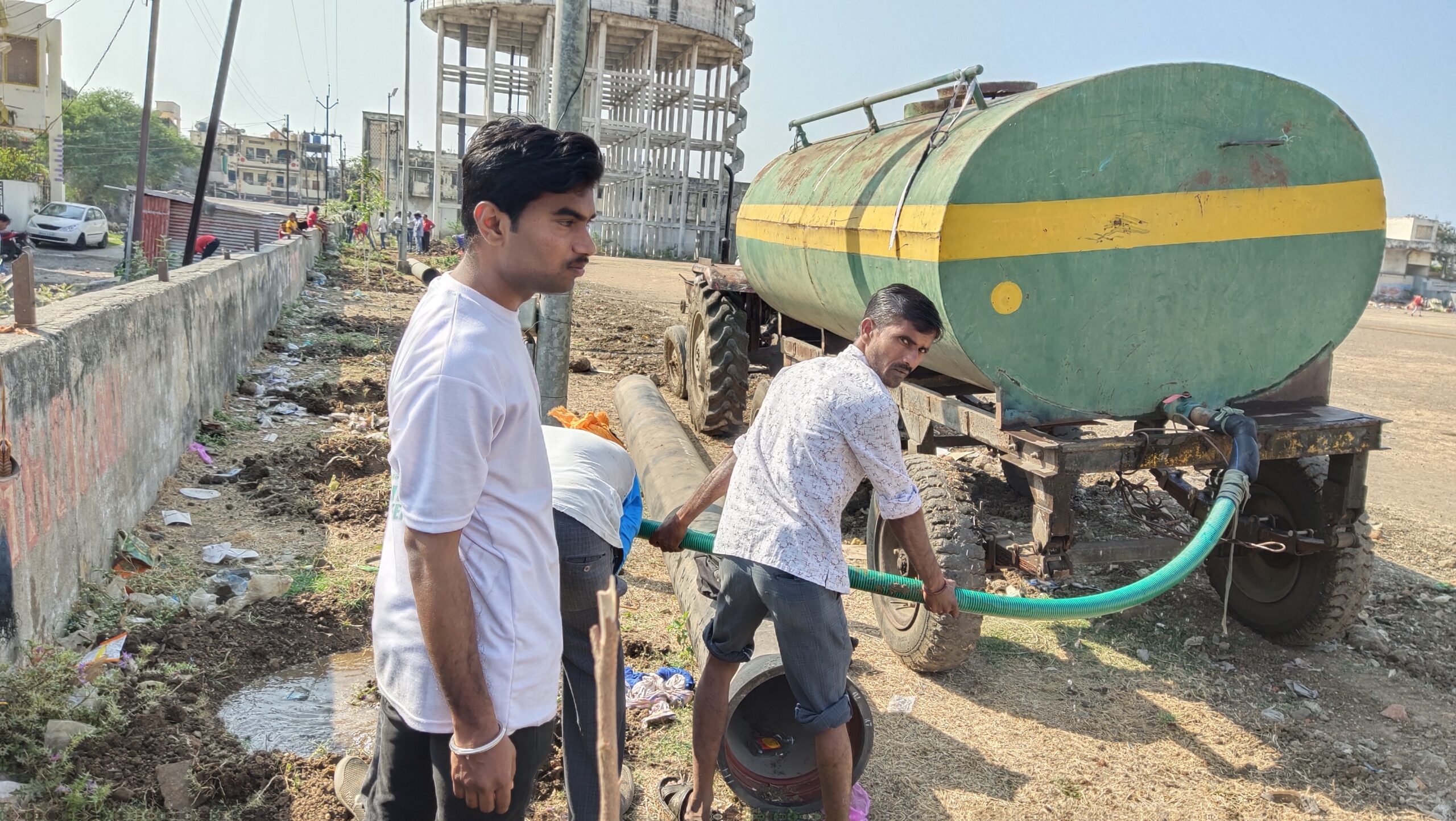
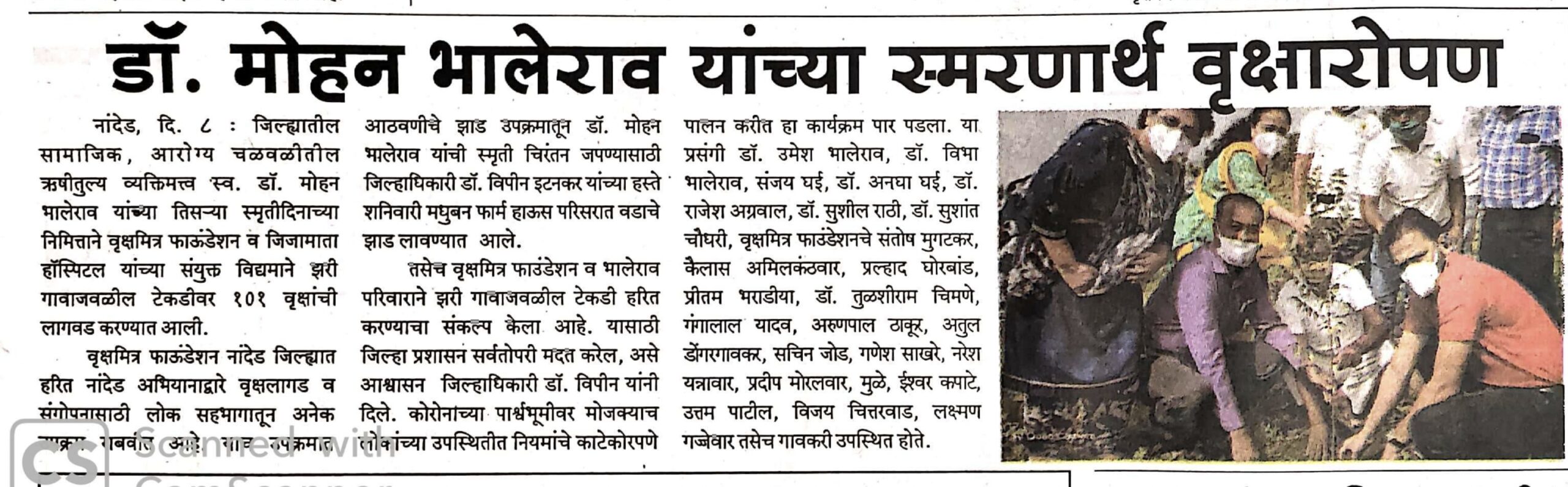
Ten thousand trees have been planted along the banks of the Godavari River in collaboration with the Municipal Corporation and citizens.
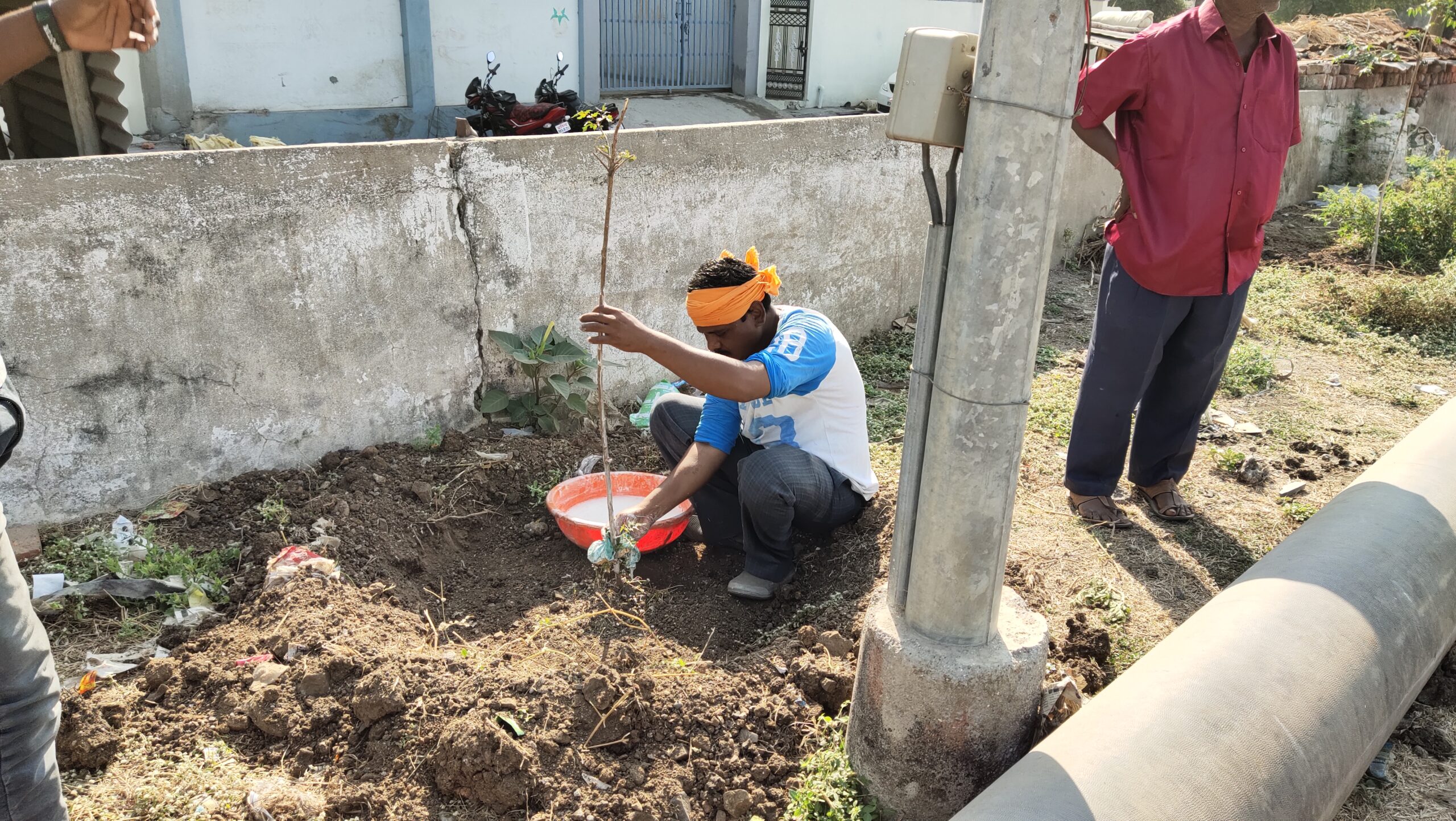
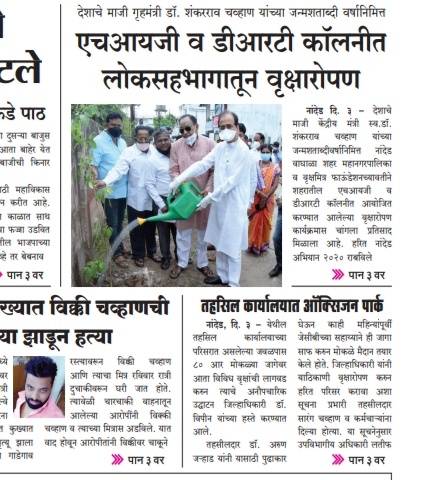
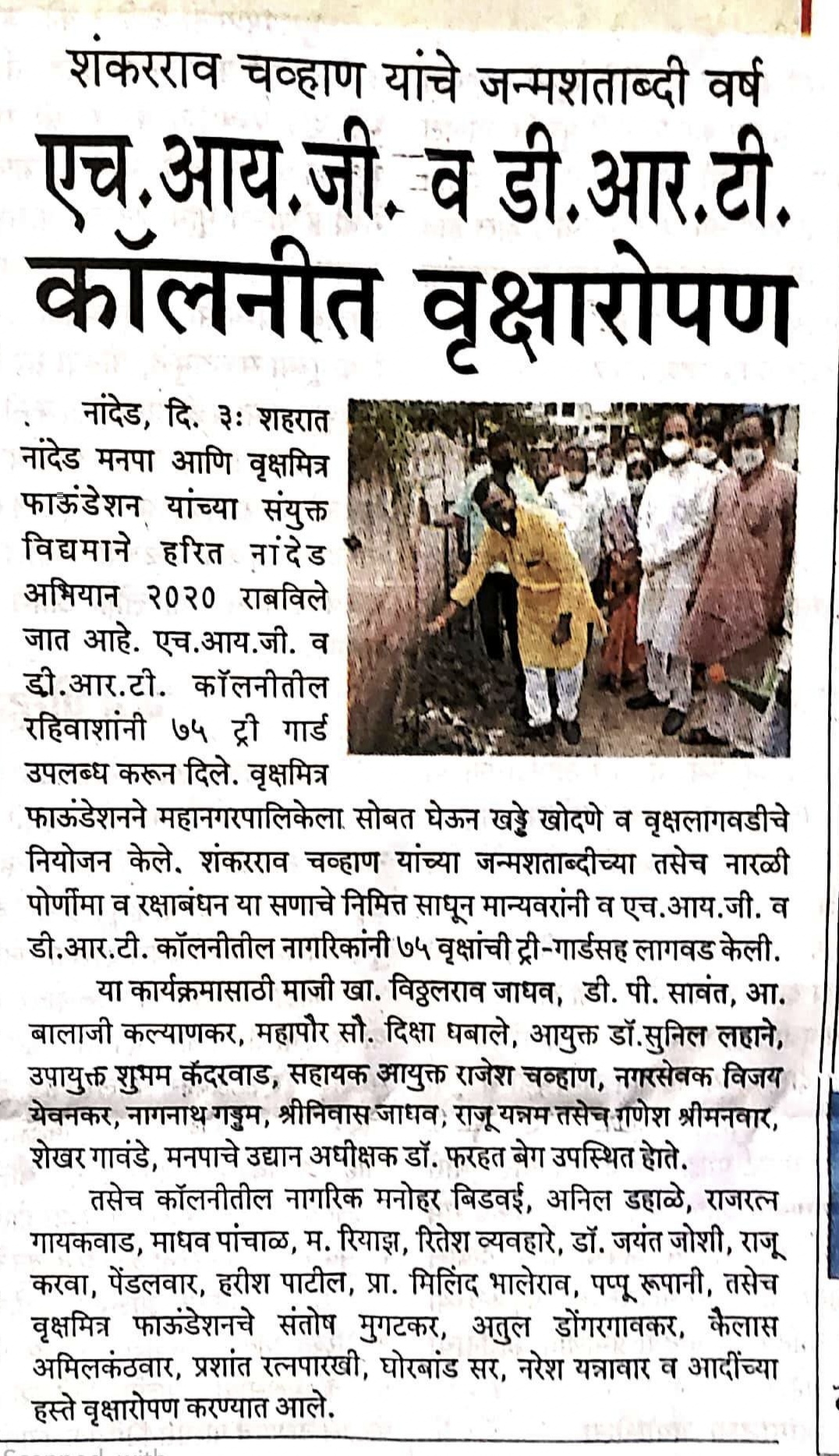
Tree plantation drives have been conducted in many colonies (Bourbon, HIG Colony, Paras Nagar, Bhandari Nagar, Ram Nagar, Raghunath Nagar, Taroda area) with public participation.
Environmental awareness programs:
Distribution of food kits to the needy during the Corona period.
“I am Vrikshmitra” competition held online for school students during Corona period.
Cycle rally organized every year to create environmental awareness.
“Let’s save birds” initiative to provide water for birds in summer (Cash prizes and participation certificates for all).
River cleaning and tree adoption schemes:
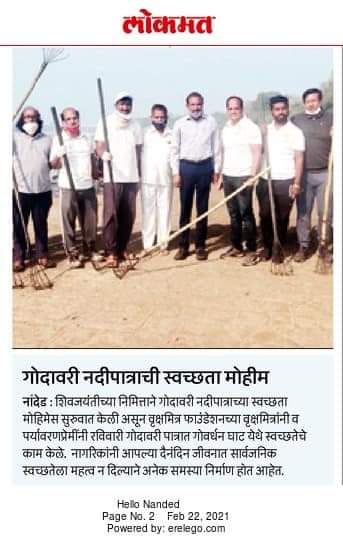
Godavari River Ghat Cleanliness Mission.
Under the “Vriksh Dattak Yojana” (Tree Adoption Scheme), trees are gifted to citizens who take responsibility for their care.
Other initiatives:
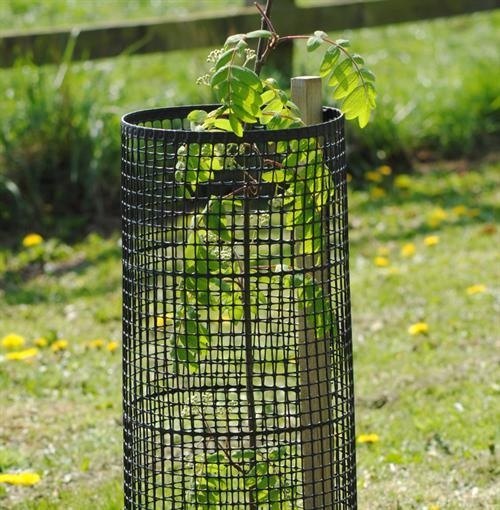
Planting large trees under the “Jhad Amche – Tree Guard Tumche” (Our Trees – Your Responsibility) initiative.
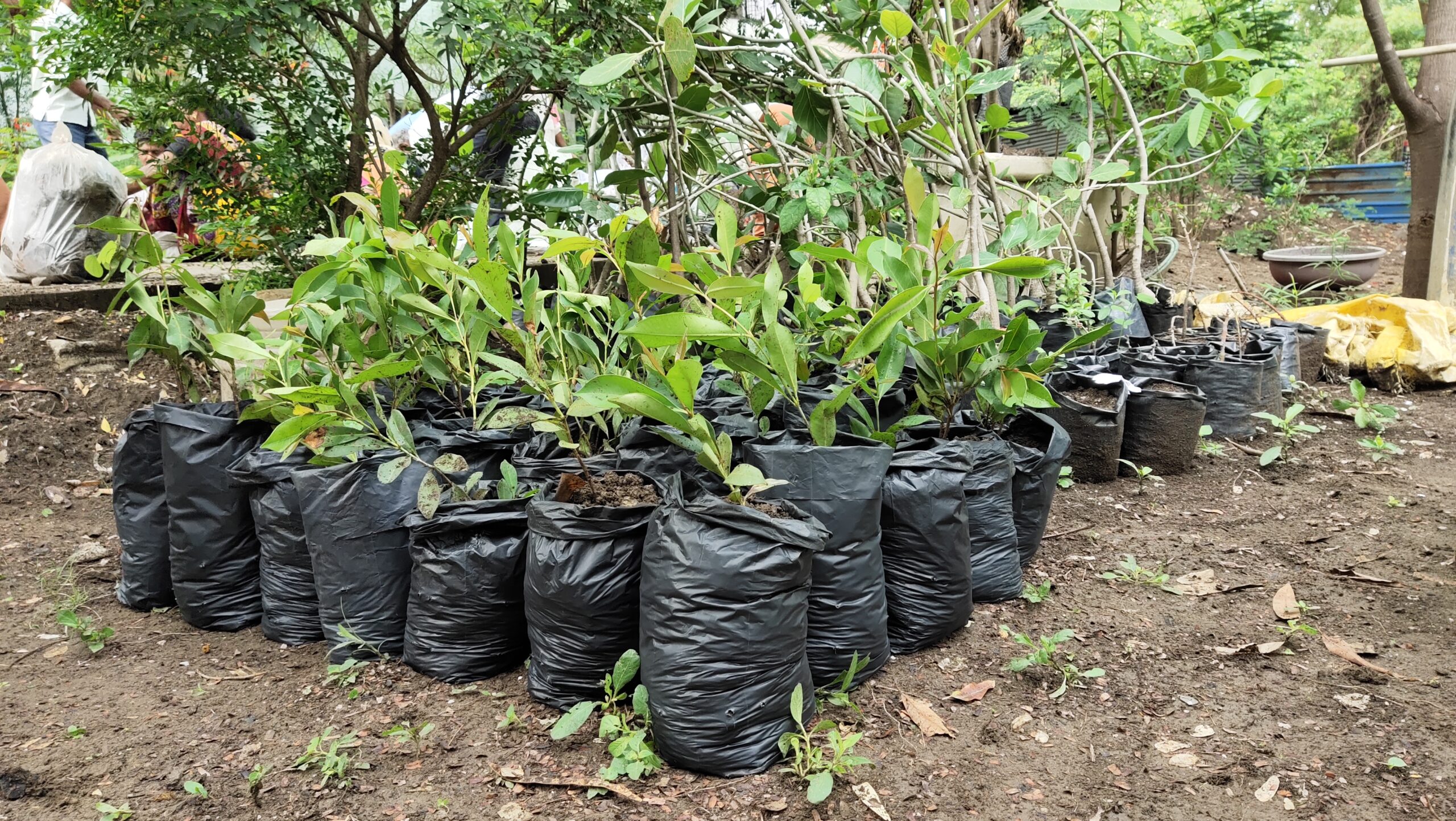
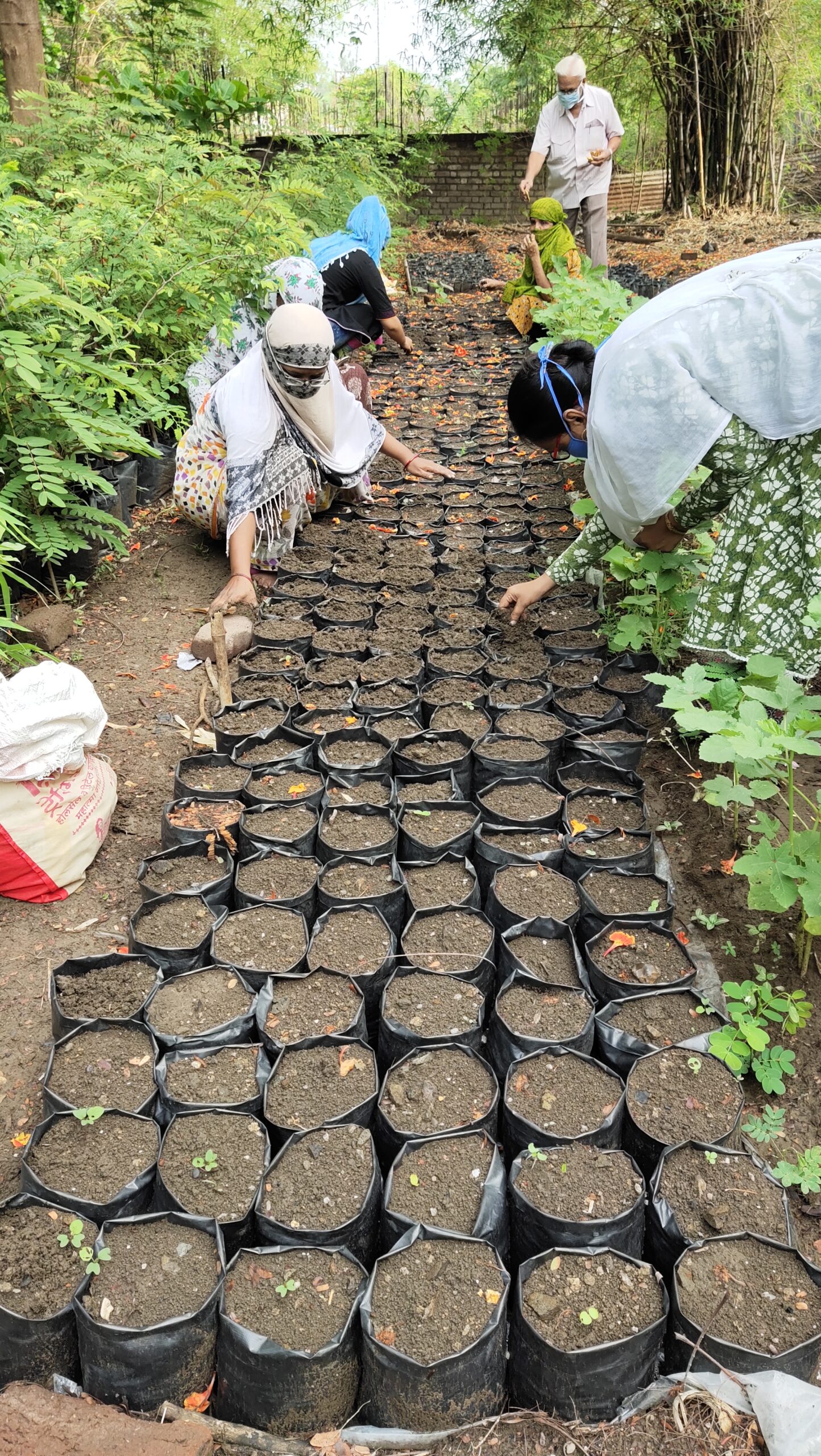
Seedling production project: Citizens collaborate to purchase bags for saplings, fill them with soil, and sow seeds.
“My Home – Green Home” project: Awards are given to citizens who grow kitchen gardens, vegetables, and plant trees in their homes.
Bamboo nursery creation and large-scale bamboo plantation.
Environment festival organization: guidance from experts, exhibition of eco-friendly products, awards for green colonies and individuals excelling in waste management.
Tree plantation in Christian cemeteries and other cremation grounds.
Guidance and tree plantation programs for students under the National Service Scheme (NSS) in various colleges.
My Ganesh – Eco-Friendly Ganesh” initiative: Awards to selected Ganesh mandals for installing eco-friendly Ganesh idols.
Organic kitchen garden competition for women.
Godavari River Ghat cleaning drive on the occasion of Chhatrapati Shivaji Maharaj Jayanti and Women’s Day.
Birthday celebrations for planted trees.
Every Home a Nursery” initiative: distribution of materials like polybags, seeds, soil, and seed trays to citizens for growing saplings at home.
Tree plantation and maintenance activities are being carried out with selfless participation from the community.